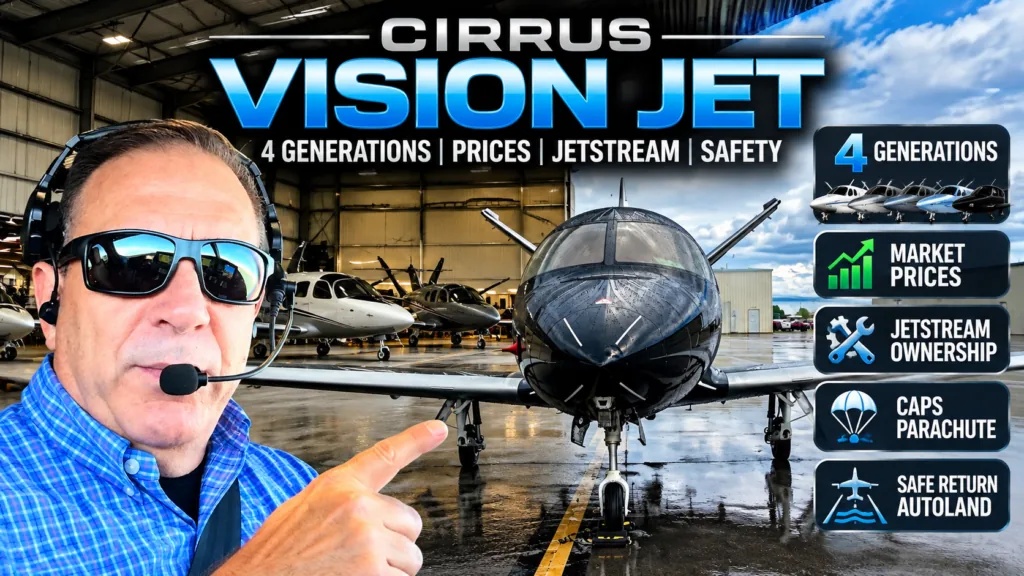
By Don Medine, Founder & CEO, SF50 Flight Support LLC
The Cirrus Vision Jet (SF50) offers pilots a unique opportunity to step into personal jet aviation with advanced avionics, single-engine turbine performance, and innovative safety features. But becoming a Vision Jet pilot involves much more than purchasing an aircraft or earning a type rating. Before we get too serious, it is worth mentioning how much fun it is to fly the Vision Jet and experience it’s capabilities. I will explain how it all got started…
Why Cirrus Developed the Vision Jet: A Different Approach to Personal Aviation
The Cirrus Vision Jet was developed around a different idea of personal aviation: make the benefits of turbine-powered flight accessible to owner-pilots in an aircraft designed from the beginning for personal transportation, ease of operation, passenger comfort, and integrated safety features.
Rather than simply building a smaller version of a conventional light business jet, Cirrus created an aircraft with its own purpose and identity. The SF50 combines a single-engine turbofan, a spacious cabin, thoughtful passenger seating, modern avionics, and distinctive safety systems in a package intended to make turbine aviation more approachable for individuals and families.
That is why I believe the Vision Jet is best understood as a unique turbine-class aircraft, rather than as a conventional light jet competing solely on speed, range, or traditional business-jet performance.
A Turbine Aircraft That Defies Traditional Categories
The Vision Jet was never intended to compete with conventional light jets on cruise speed alone. From its inception, Cirrus pursued a different vision: to create a turbine-class aircraft that would bring personal jet travel within reach of more owner-pilots by combining performance, simplicity, and a comprehensive approach to safety. The concept centered on several defining objectives: a single-engine design, the Cirrus Airframe Parachute System (CAPS), seating for up to seven occupants, cruise capability at 28,000 feet, and dimensions compact enough to fit inside a typical T-hangar. Equally important was the goal of making the transition from a single-engine piston aircraft to turbine-powered aviation feel natural, predictable, and achievable. Rather than adapting an existing light-jet formula, Cirrus developed an aircraft around the needs of the personal owner-pilot—one that paired the capabilities of turbine aviation with familiar design principles, integrated safety features, and an ownership experience intended to make stepping into a jet a more attainable proposition.
In terms of cruise speed, the Vision Jet occupies a different position from many traditional light jets. Its published maximum cruise speed is approximately 317 knots true airspeed, so its performance profile can feel closer to that of a high-performance turboprop than a faster, multi-engine light business jet – But speed alone misses the point of the aircraft.
We should be mindful of the fact the step into a multi-engine aircraft creates a whole new set of requirements, risk and complexities. Cirrus’ single-engine design bypassed the need to achieve a multi-engine rating, and log considerable time in multi-engine aircrafts in order to achieve proficiency, and meet insurance requirements.
The Vision Jet offers a pressurized, climate-controlled cabin with generous headroom, legroom, large windows, premium finishes, and flexible seating arrangements. Depending on the generation and configuration, the cabin can accommodate different combinations of adults, children, and luggage. The design prioritizes the experience of the people on board, not simply the distance covered per hour.
That combination is what makes the Vision Jet difficult to compare directly with another aircraft category. It delivers turbine-powered transportation and the comfort and presentation expected of a personal jet, while emphasizing an owner-pilot experience that is distinct from the conventional light-jet model. Buyers evaluating the SF50 should consider the entire mission: the people they carry, the distances they routinely fly, the airports they use, the cabin experience they want, and the ownership structure that fits their needs.
Single-Engine Design and the Ownership Experience
The Vision Jet’s single-engine configuration is another defining part of its identity. Powered by a Williams International FJ33(5A) turbofan, the SF50 uses a single-engine design intended to reduce system complexity compared with multi-engine jet configurations. That can contribute to a simpler ownership and operating model, although actual operating economics still depend on utilization, fuel prices, maintenance, insurance, and the aircraft’s configuration.
Cirrus also recognized that making a personal jet more accessible required more than designing an aircraft that was easy to operate. Ownership costs, maintenance planning, inspections, and unexpected repairs can be significant concerns for anyone stepping into turbine aviation. For that reason, the ownership experience was designed around a comprehensive support model rather than leaving owners to coordinate every aspect independently.
The JetStream ownership program is central to that approach. Depending on the applicable program terms, JetStream includes scheduled and unscheduled airframe and avionics maintenance coverage, normal wear-item replacement, turbine-engine coverage through Williams International’s TAP Blue program, recurrent training benefits, and support for maintenance events. The program is designed to make maintenance planning and ownership costs more predictable and to reduce the risk of major unplanned expenses.
JetStream does not mean every possible expense is automatically covered, and owners should review the specific agreement, exclusions, and aircraft eligibility requirements. Its value is that it brings many significant maintenance and support costs into a more structured ownership model, helping owners budget with greater confidence.
For prospective owners, that matters just as much as the aircraft’s performance. A jet that meets the mission is only part of the equation; understanding how it will be maintained, supported, insured, and operated is equally important.
The Vision Jet Should Be Evaluated on Its Own Merits
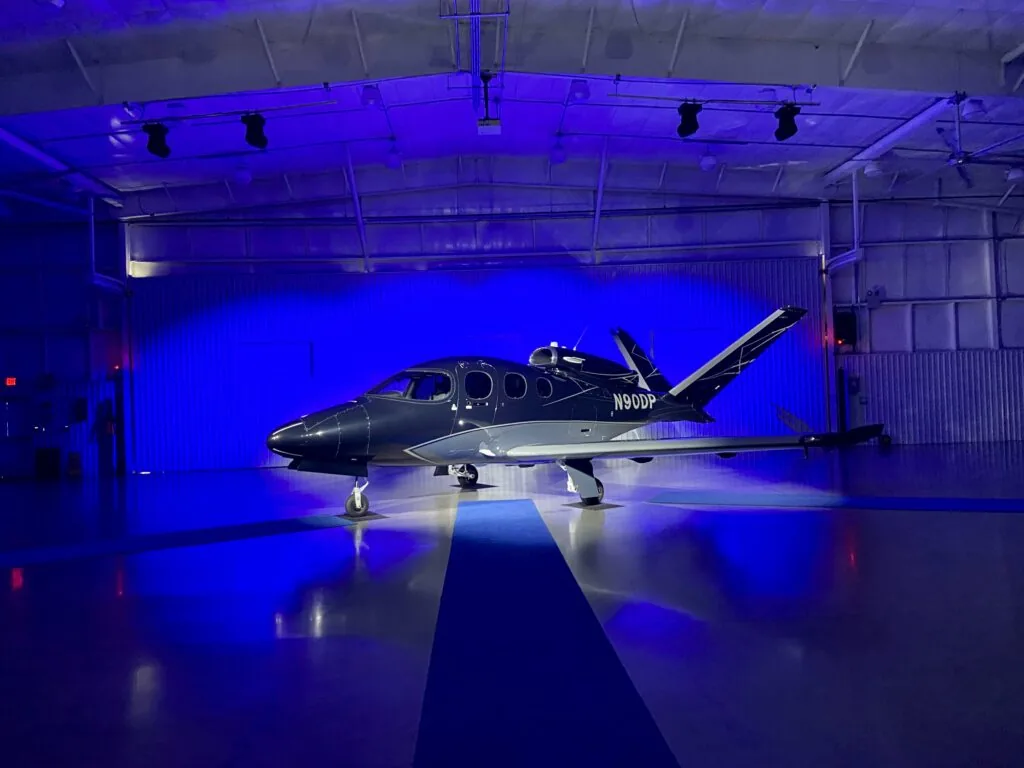
The Vision Jet is not simply a slower light jet, nor is it merely a turboprop alternative with a jet engine. It is a purpose-built personal turbine aircraft that brings together a distinctive cabin, single-engine simplicity, modern avionics, integrated safety features, and a support program designed around the owner-pilot.
For the right mission, those qualities may matter more than maximizing cruise speed. The best comparison is not necessarily which aircraft flies fastest, but which aircraft delivers the right combination of capability, passenger experience, safety features, operating requirements, and ownership predictability.
That is the perspective I bring to my work with prospective and current Vision Jet owners through SF50 Flight Support, LLC. Understanding what makes the SF50 different is the first step toward deciding whether it is the right aircraft for your mission.
Prospective pilots and buyers need to understand the training process, the challenge of gaining access to an aircraft, insurance requirements, recurrent training obligations, and the preparation needed to operate the Vision Jet safely and proficiently.
At SF50 Flight Support, LLC, we work with Vision Jet owners, prospective buyers, and pilots navigating these decisions. With experience owning, operating, and supporting Vision Jets, we recognize the importance of understanding the entire process before committing to the aircraft.
In this guide, we address eight questions that frequently arise among prospective Vision Jet pilots and buyers:
- How difficult is the Vision Jet to fly?
- How can you access a Vision Jet without owning one?
- What does the SF50 type rating involve?
- Why do many insurance companies require full-motion simulator training?
- What FAA regulations govern type ratings and recurrent proficiency checks?
- How do you schedule training when simulator availability is limited?
- What should you know about obtaining Vision Jet insurance?
- How can you prepare for the demands of Vision Jet ownership and operation?
1. How Difficult Is It to Fly the Vision Jet?

The Vision Jet was designed to make jet aviation more accessible, but accessible does not mean effortless. Safe operation requires sound aeronautical decision-making, proficiency with modern avionics, disciplined automation management, and a thorough understanding of aircraft systems and limitations.
Pilots transitioning from piston singles, high-performance aircraft, or Cirrus SR-series aircraft encounter several new demands.
Automation and avionics. The Perspective Touch flight deck integrates navigation, flight planning, autopilot functions, engine information, and other systems. Pilots must understand how to operate these systems and recognize when automation is not performing as expected.
Jet energy management. Managing speed, altitude, descent profiles, and configuration requires planning ahead. Delayed decisions can quickly create a challenging situation.
High-altitude operations. Pilots must understand pressurization, oxygen requirements, icing, turbulence, weather, and the operational considerations associated with high-altitude flight.
Abnormal and emergency procedures. The Vision Jet incorporates safety features such as the Cirrus Airframe Parachute System (CAPS) and, on equipped models, Safe Return Emergency Autoland. These features complement rather than replace pilot proficiency and sound judgment.
Single-pilot resource management. Many Vision Jet owners operate without a second pilot. Effective workload management, checklist discipline, weather planning, and decision-making are essential.
The learning curve varies by pilot. Recent instrument experience, disciplined flying habits, and thorough preparation can make a meaningful difference.
The goal should not simply be to earn a type rating. It should be to develop the knowledge, skills, and judgment needed to operate the aircraft safely across normal, abnormal, and emergency situations.
2. How Can You Get Access to a Vision Jet Without Owning One?
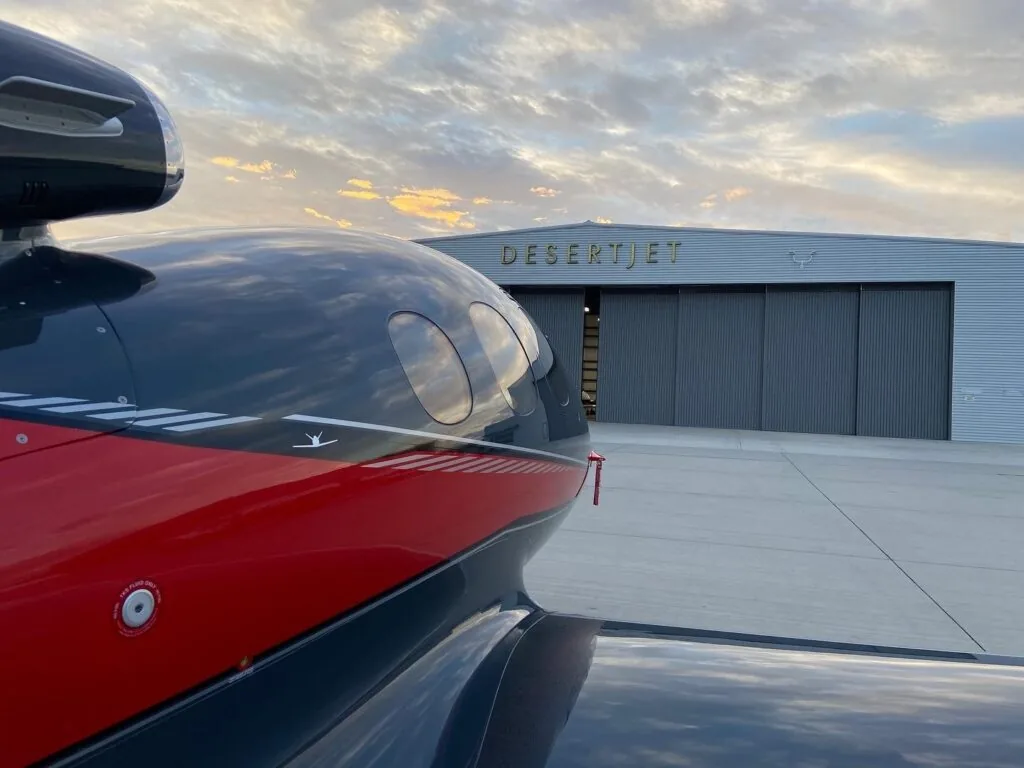
One of the most common questions from prospective Vision Jet pilots is how to gain experience before purchasing an aircraft. For perspective, there are well over 11,000 Cirrus Aircraft SR series planes in the fleet, but there are only about 850 Vision Jets. While Cirrus Aircraft produces over 100 new Vision Jets annually, the size of the global Vision Jet fleet is only a faction of the size of the SR fleet.
How does this affect non-owner pilot access to a Vision Jet? Pilots are accustomed to finding a variety of rental options when flying Cirrus SR-series aircraft, but the same opportunities rarely exist for the Vision Jet. Very few flight schools have SF50s in their fleets, and comparatively few owners make their Vision Jets available for lease. Even fewer are willing to accept the additional risk to their aircraft’s value that comes with allowing other pilots to operate such a significant investment. For non-owners, this makes finding consistent access to a Vision Jet extremely challenging. Finding an owner who is reasonably close, willing to lease the aircraft to a lower-time pilot, able to add that pilot to the aircraft’s insurance policy, and willing to offer an arrangement affordable enough to support regular flying and maintain proficiency can feel less like a realistic plan and more like searching for a four-leaf clover. The challenge isn’t simply finding a Vision Jet to fly; it’s finding one you can access regularly, affordably, and under terms that make sense for both the owner and the pilot.
This can be challenging. Vision Jets are sophisticated and expensive aircraft, and owners must consider insurance limitations, operating costs, maintenance, scheduling, and the qualifications of anyone flying their aircraft.
Jet Readiness and transition preparation
Before beginning formal type-rating training, pilots may benefit from structured preparation with a qualified instructor. Depending on the program and the pilot’s background, preparation may include ground instruction, systems discussions, cockpit familiarization, instrument procedures, and flying skills.
Some pilots may be required to complete a Jet Readiness assessment before starting the formal type-rating course. Confirm current prerequisites directly with Cirrus Aircraft.
Mentoring and supervised experience
After earning a type rating, pilots may need supervised operating experience (SOE), mentor-pilot time, or additional training depending on FAA requirements, the circumstances of their qualification, and their insurance policy.
An experienced mentor can help a newly rated pilot translate simulator proficiency into practical operations. Mentoring may also reinforce checklist discipline, aircraft management, and sound decision-making.
Access through an aircraft owner
Some owners may permit another qualified pilot to fly their aircraft for training or mentoring. Before arranging any flight, confirm:
- The owner’s authorization and operating arrangements.
- The qualifications required by the insurance policy.
- Whether the proposed training activity is permitted.
- Whether the instructor and pilot meet applicable requirements.
- Responsibility for aircraft expenses, instructor fees, and insurance deductibles.
A type rating alone does not make a pilot eligible to fly every Vision Jet under every insurance policy.
Plan for access before buying
If your long-term goal is to become a proficient Vision Jet pilot, consider how you will gain experience after training. Purchasing an aircraft does not automatically solve the challenge of building experience, especially if the insurer imposes restrictions on newly rated pilots.
SF50 Flight Support can help prospective owners evaluate aircraft-access options, training pathways, and practical considerations before making a major commitment.
3. What Does the SF50 Type Rating Involve?
The SF50 type rating is an important milestone, but pilots should approach it as a demanding training program rather than a formality associated with purchasing a jet.
The training process includes aircraft systems instruction, normal and abnormal procedures, emergency scenarios, instrument flying, automation management, and practical evaluation. The precise course and practical-test requirements depend on the applicable FAA standards and the training program.
Preparation is essential
The course can move quickly. Pilots should prepare well before arriving at the training center by studying:
- Aircraft systems, components, and limitations.
- Normal, abnormal, and emergency checklists.
- Instrument procedures and navigation.
- Flight director and autopilot modes.
- Aircraft performance and energy management.
- Single-pilot workload management and decision-making.
Arriving prepared allows pilots to focus on applying knowledge and developing proficiency rather than trying to learn all the underlying material during the course.
The standard is more than simply flying the aircraft
The applicable FAA practical-test standards require pilots to demonstrate the knowledge, judgment, and aircraft-control skills appropriate to the certificate or rating sought.
For the Vision Jet type rating, preparation should address the relevant ATP-level tasks and standards in the applicable FAA Airman Certification Standards (ACS) or practical-test criteria. Pilots must be prepared to demonstrate command of the aircraft across the required phases of flight, including:
- Manual aircraft control and appropriate use of automation.
- Instrument flying and applicable instrument procedures.
- Knowledge of aircraft systems, limitations, and operating procedures.
- Recognition and management of abnormal conditions and system failures.
- Emergency procedures and sound aeronautical decision-making.
- Required aircraft maneuvers and performance standards.
Automation is an important tool, but pilots must retain the ability to control and manage the aircraft when automation is unavailable, inappropriate, or not performing as expected.
Aircraft affiliation and scheduling requirements
Cirrus Aircraft manages significant demand for Vision Jet initial and recurrent training, while full-motion simulator capacity is limited.
According to the training-center scheduling requirements described to SF50 Flight Support, pilots seeking to schedule an initial Vision Jet type rating must establish a direct, documented affiliation with an existing Vision Jet identified by its registration (tail number) and serial number. This helps the training center allocate limited capacity to pilots with an established connection to an aircraft. he type rating costs about $33,000 for the 8-9 day program. The annual recurrent training is around $15,000.
This can be an important consideration for pilots who do not yet own a Vision Jet. Establishing a relationship with an owner or another qualifying aircraft operator most certainly will be necessary before scheduling the course.
Contact Cirrus Aircraft directly to confirm its current aircraft-affiliation policy, acceptable documentation, scheduling availability, and any prerequisites. Training-center policies can change and should not be confused with FAA regulations.
Jet Readiness assessment
Pilots seeking an initial type rating may also be required to complete a Jet Readiness assessment before beginning formal training. The assessment helps identify whether the pilot has the foundational knowledge and flying skills needed to benefit from the intensive course.
Depending on the pilot’s background, areas requiring additional preparation may include instrument proficiency, aircraft energy management, automation, systems knowledge, and checklist discipline.
Treat readiness as an opportunity to identify and address weaknesses before formal training begins.
4. Why Do Many Vision Jet Insurance Companies Require Full-Motion Simulator Training?
One of the most important distinctions to understand before beginning a type rating is the difference between FAA requirements and insurance requirements.
The FAA establishes the regulatory standards for pilot qualifications and proficiency checks. An insurer may impose additional conditions before agreeing to cover a pilot operating a particular aircraft.
Many Vision Jet insurance policies require factory-approved simulator-based initial and recurrent training. The exact requirement depends on the insurance carrier, policy wording, aircraft, and pilot’s experience.
Why insurers favor simulator training
A full-motion flight simulator allows instructors to evaluate a pilot’s response to a broad range of abnormal and emergency situations without placing an actual aircraft and its occupants at risk.
1. Emergencies can be practiced safely – Engine-related emergencies, instrument failures, electrical problems, and other abnormal situations can be introduced without deliberately creating those conditions in flight.
2. Scenarios can be repeated – If a pilot struggles with a procedure, the instructor can repeat the scenario and evaluate whether the pilot improves. Scenarios can also be presented at different points in a flight to test understanding rather than rote memorization.
3. Decision-making can be evaluated under pressure – An emergency requires more than recalling a checklist. The pilot must maintain aircraft control, identify the problem, prioritize tasks, and make appropriate decisions while managing workload.
4. Complex failures can be explored.
Simulators allow instructors to introduce combinations of failures and demanding scenarios that would be inappropriate or unsafe to reproduce deliberately in an actual aircraft.
5. Training can be standardized – Structured simulator curricula allow instructors to evaluate pilots against defined performance standards and provide consistent training across a range of scenarios.
These capabilities help explain why insurers may prefer full-motion simulator training for a sophisticated single-pilot jet.
Why in-aircraft training still matters
Simulator training does not eliminate the value of flying the actual aircraft.
In-aircraft experience helps pilots develop familiarity with real-world handling, sight pictures, takeoffs and landings, weather, airport operations, and the practical demands of operating a jet.
Both environments have value. The simulator is particularly useful for practicing abnormal and emergency procedures, while actual flight provides important practical experience.
However, if your insurance policy requires a simulator-based type rating, an in-aircraft training course may not satisfy that requirement, even if the training otherwise qualifies for FAA purposes.
Before paying for a course, obtain written confirmation from your insurance broker or underwriter that the proposed training will satisfy the applicable policy conditions.
5. Cirrus Aircraft’s Vision Jet Simulator Training in Alcoa, Tennessee
Cirrus Aircraft operates its Vision Jet training program at the Vision Center in the Alcoa, Tennessee (often referred to as Knoxville), area, near McGhee Tyson Airport. The facility is in Alcoa, Tennessee, and provides factory-direct training for Vision Jet pilots.
Cirrus uses Level D full-flight simulators configured for the SF50. These simulators support initial type ratings and recurrent training, including scenarios that cannot safely be recreated in an actual aircraft.
Is Cirrus the only provider?
Based on the training options known to SF50 Flight Support, Cirrus Aircraft is the only provider offering the factory-direct, Level D full-motion simulator training program for the Vision Jet at its Vision Center in Alcoa, Tennessee.
Other providers may offer in-aircraft instruction or other forms of training. However, pilots should not assume that these alternatives offer equivalent simulator capabilities or satisfy an insurer’s specific requirements.
For pilots whose policies require factory training or a particular simulator qualification, Cirrus is the key provider to contact.
Because training availability and provider arrangements may change, confirm current options directly with Cirrus Aircraft and your insurer.
What should you confirm before scheduling?
Before booking training, ask Cirrus Aircraft and your insurance broker to clarify: Each situation may vary. A retired career Delta Airlines pilot with 26,000 flight hours will likely get handled differently than a 150 hour private pilot, even though they are trying to get to the same goal.
- Whether your aircraft affiliation meets the current scheduling requirements.
- Whether a Jet Readiness assessment is required.
- Whether the initial type rating must be completed at Cirrus.
- Whether a full-motion simulator is mandatory under your policy.
- Which providers and training devices are acceptable.
- Whether recurrent training must be completed at the same provider.
- The required recurrent-training interval.
- Whether additional mentoring or supervised experience is required.
Planning these details early can prevent costly scheduling delays and help ensure that your training meets both regulatory and insurance requirements.
6. What FAA Regulations Require the Type Rating and Recurrent Training?
Two FAA regulations are particularly important for Vision Jet pilots: 14 CFR § 61.31(a) and 14 CFR § 61.58.
These regulations establish pilot qualification and proficiency-check requirements. They should be distinguished from additional training conditions imposed by insurance companies.
FAR § 61.31(a): The type rating
Under 14 CFR § 61.31(a), a pilot acting as PIC of a turbojet-powered airplane generally must hold the appropriate aircraft type rating, subject to applicable exceptions and authorizations.
Because the Cirrus Vision Jet is a turbojet-powered airplane, pilots must obtain the SF50 type rating before acting as PIC, unless a specific regulatory exception or authorization applies.
The type-rating process evaluates whether the pilot possesses the knowledge and skills needed to operate the aircraft safely. It covers aircraft systems, limitations, normal and abnormal procedures, emergency situations, and applicable flight procedures.
Importantly, the type-rating regulation does not, by itself, require all training to take place in a full-motion simulator. The training and practical test must satisfy the applicable FAA requirements, while the insurer may impose additional conditions on the training method.
FAR § 61.58: PIC proficiency checks
Under 14 CFR § 61.58, pilots acting as PIC of turbojet-powered airplanes generally must complete applicable PIC proficiency checks within specified intervals.
The regulation includes requirements involving both a 12-calendar-month period and a 24-calendar-month period. In general, these address proficiency in an eligible turbojet-powered airplane and proficiency in the particular aircraft type in which the pilot will serve as PIC.
The precise applicability depends on the regulation’s provisions, exceptions, and the pilot’s circumstances. Pilots should review the current rule and confirm the requirements applicable to their operations.
Section 61.58 also provides for qualifying proficiency checks in an appropriately qualified and approved flight simulator, subject to applicable conditions.
FAA requirements versus insurance requirements
The distinction is important:
- FAA requirement: Establishes the applicable type-rating and PIC proficiency-check obligations.
- Insurance requirement: May require a particular training provider, full-motion simulator, recurrent-training interval, mentor-pilot experience, or other conditions of coverage.
An FAA-compliant training course does not automatically satisfy every insurance policy. Similarly, completing an insurance-required course does not automatically establish compliance with every applicable FAA requirement unless the relevant regulatory standards are met.
Vision Jet pilots should review both sets of requirements before scheduling training.
7. What Should You Know About Getting Vision Jet Insurance?
Insurance is a major consideration in the cost and practicality of Vision Jet ownership.
Premiums and underwriting requirements can vary according to the pilot, aircraft, intended operations, and coverage requested.
Factors that can affect underwriting
Total flight time and experience: Insurers may evaluate overall flight time, instrument experience, turbine experience, and recent flying activity.
Time in type: Previous Vision Jet experience and demonstrated proficiency may affect eligibility and pilot restrictions.
Training history: Initial type-rating training, recurrent simulator training, and additional mentoring may be required.
Aircraft and intended use: Aircraft value, utilization, ownership arrangements, and intended operations can affect underwriting.
Pilot restrictions: A policy may identify approved pilots, impose minimum experience requirements, or require additional training before a pilot may operate independently.
These requirements are not universal. Each carrier applies its own underwriting criteria, and policies may differ even for pilots with similar experience.
Obtain insurance guidance before purchasing
Prospective buyers should discuss their experience and anticipated operations with an aviation insurance broker as early as possible in the acquisition process.
Ask the broker to identify any requirements that could affect your purchase decision, including simulator training, minimum time in type, mentor-pilot requirements, and restrictions on who may operate the aircraft.
This can prevent an unpleasant surprise after closing, when additional training or experience may be required before the aircraft can be operated under the desired coverage.
8. How Much Does It Really Cost to Become a Proficient Vision Jet Pilot?
The cost of becoming a Vision Jet pilot goes beyond the initial type rating.
Depending on your experience and circumstances, your budget may include:
- Initial type-rating tuition.
- Travel and lodging during training.
- Jet Readiness preparation and any additional instruction.
- Mentor-pilot or supervised operating experience, when required.
- Recurrent training.
- Insurance premiums and pilot qualification requirements.
- Aircraft operating expenses while building experience.
Costs vary by provider, training arrangements, aircraft access, and insurance requirements. Request current pricing and confirm what is included before committing to a program.
It is also important to budget for ongoing proficiency. Completing a type rating does not eliminate the need for recurrent training, continuing study, and disciplined operational decision-making.
The objective is not simply to minimize the initial cost. It is to develop the proficiency needed to operate the aircraft safely and satisfy the applicable FAA and insurance requirements.
9. How SF50 Flight Support Can Help
At SF50 Flight Support, LLC, we help Vision Jet owners, prospective buyers, and pilots make informed decisions about aircraft ownership and operation.
Our experience includes owning and operating Vision Jets, supporting aircraft owners, assisting prospective buyers, and helping pilots navigate the practical challenges of entering the SF50 community.
We can help you evaluate questions such as:
- Is the Vision Jet a good fit for your mission and experience?
- What should you consider before purchasing a preowned SF50?
- How should you prepare for the initial type rating?
- What should you ask your insurance broker before training?
- How can you gain access to an aircraft for additional experience?
- What operational support might you need after purchasing?
SF50 Flight Support is an aviation consulting and support business, not a substitute for your insurance broker, attorney, tax professional, or the FAA. Our role is to help you understand practical considerations, ask the right questions, and make better-informed decisions.
Visit SF50 Flight Support, LLC to learn more about our Vision Jet acquisition consulting, pilot support, and aircraft ownership services.
Final Thoughts: Prepare Before You Commit
The Cirrus Vision Jet can be an excellent aircraft for the right owner and pilot. Successful ownership, however, requires more than purchasing an aircraft and completing a type rating.
Understand the training requirements before scheduling your course. Confirm insurance conditions before relying on a particular training pathway. Plan how you will gain experience, maintain proficiency, and meet recurrent-training obligations.
For many pilots, full-motion simulator training at the Cirrus Vision Center in Alcoa, Tennessee, is a central part of that plan. The simulator offers opportunities to practice emergency scenarios safely, while the training center’s scheduling requirements mean that aircraft affiliation and preparation may need to be addressed well in advance.
The best time to address these questions is before you buy the aircraft—not after you discover an unexpected training requirement or insurance restriction.
If you are considering purchasing a Vision Jet or preparing for your SF50 type rating, SF50 Flight Support can help you evaluate the practical considerations and develop a plan for your next step.
SF50 Flight Support, LLC
Making Vision Jet Ownership Better
📞 Phone: 615-543-8553
✉️ Email: info@sf50flightsupport.com
🌐 SF50FlightSupport.com
Ready to find the Vision Jet that fits your mission? Contact us today.
Contact SF50 Flight Support, LLC with questions about professional pilot services, aircraft management, acquisition consulting, or assistance with your next Vision Jet purchase.
#CirrusVisionJet #VisionJet #SF50 #CirrusAircraft #VisionJetPilot #JetTypeRating #PilotTraining #AviationSafety #AviationInsurance #VisionJetOwnership #PrivateJet #SF50FlightSupport