Preflight Considerations… Don’t Forget the TEN-CHECK!

Preflight processes and inspections are very important before every flight. Using a comprehensive, and consistent approach makes detection of abnormalities easier.
Cirrus Aircraft provides a printed checklist for preflight inspection, but we recommend you go a little further…
Preflight Considerations:
- Use an approved preflight checklist. There are one hundred and sixteen items on the preflight check list.
- If interrupted, start from the beginning.
- Consider adopting a process like the “TEN-CHECK” before engine start.
- Know the wind direction and velocity in relationship to the nose of the plane.
- Which CAS messages are displayed on the PFD, if any?
Our “Ten-Check” process is a pilot technique meant to verify we are ready to start the the plane.
You start the Ten-Check by standing in front of the plane, facing the nose. Visually scan from your left to right, starting with the left wingtip. Take look at the photo below to better understand what the Ten-Check is.
SF50 Flight Support Ten Check
The SF50 Flight Support Ten Check is a standardized preflight walk-around designed to ensure the aircraft is ready for flight before beginning a detailed preflight inspection. This quick, systematic verification helps prevent common oversights such as leaving protective covers installed, departing with chocks in place, or discovering an unsecured fuel cap after engine start.
Complete the Ten Check in the same sequence before every flight.
1. Right Pitot Tube
- Verify the pitot tube cover has been removed.
- Ensure the pitot tube opening is unobstructed.
2. Right Fuel Cap
- Visually confirm the fuel quantity.
- Verify the fuel cap is properly installed, locked, and fully seated.
- Periodically sump fuel to verify no water, condensation or contaminates are present using all four fuel sump points.
3. Right Main Landing Gear
- Visually assess tire inflation and overall condition.
- Confirm wheel chocks have been removed.
4. Angle of Attack (AOA) Probe
- Verify the protective cover has been removed.
- Ensure the cover is properly stowed to prevent foreign object damage (FOD) or loss.
5. Engine Exhaust
- Verify the rear engine exhaust cover has been removed.
- Inspect the exhaust opening for any foreign objects or obstructions.
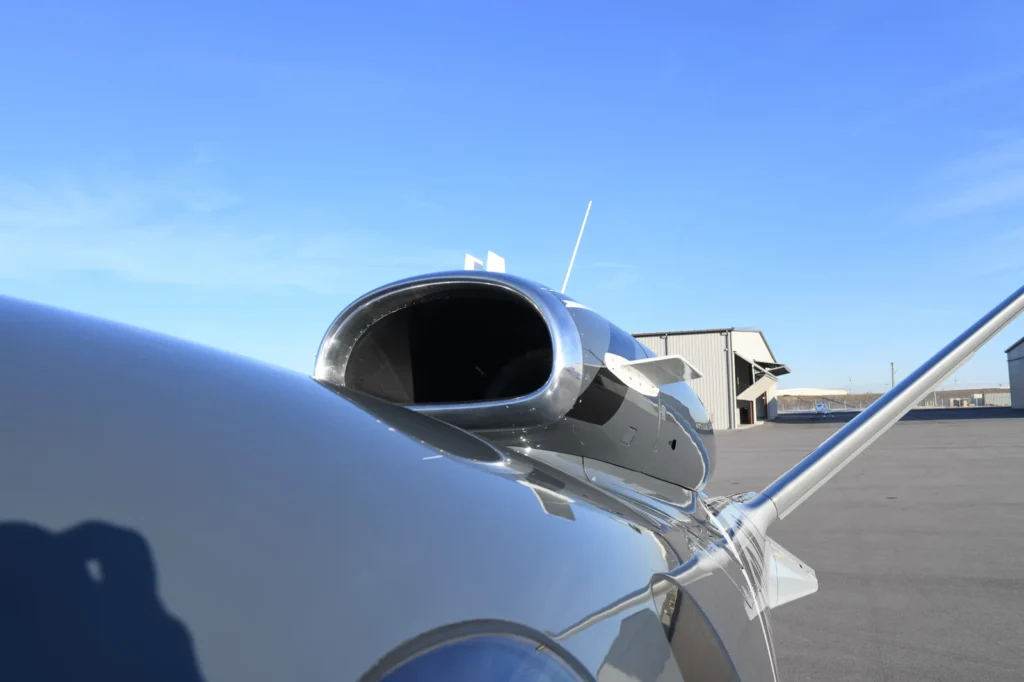
6. Engine Inlet
- Verify the front engine inlet cover has been removed.
- Confirm the inlet is clear of debris or other obstructions.
- Significant engine damage will occur, causing an expensive engine service and long repair period, if you ingest the engine inlet cover during engine start.
7. Nose Landing Gear
- Visually assess tire inflation, overall condition and verify nose wheel is pointed in the correct direction.
- Confirm wheel chocks have been removed.
8. Left Main Landing Gear
- Visually assess tire inflation and overall condition.
- Confirm wheel chocks have been removed.
9. Left Fuel Cap
- Visually confirm the fuel quantity.
- Verify the fuel cap is properly installed, locked, and fully seated.
- Periodically sump fuel to verify no water, condensation or contaminates are present using all four fuel sump points.
10. Left Pitot Tube
- Verify the pitot tube cover has been removed.
- Ensure the pitot tube opening is unobstructed.
Why the Ten Check?
The Ten Check takes less than a minute to complete but helps identify some of the most common items missed before flight. By performing it in the same order every time, pilots develop a consistent habit pattern that improves safety, reduces distractions, and minimizes the chance of an overlooked item delaying departure or affecting flight operations.
SF50 Flight Support philosophy: Standardization creates consistency. Consistency creates safety.
Here are the ten checks:
- Right pitot tube cover – verify removed
- Right fuel cap – fuel quantity, properly installed and secure cap.
- Right main wheel – Visually assess tire pressure and clear chocks.
- AOA Cover – Verify removed and properly stored.
- Rear engine exhaust cover – verify removed.
- Front engine inlet cover – verify removed
- Nose wheel– Visually assess tire pressure and clear chocks.
- Left main wheel – Visually assess tire pressure and clear chocks.
- Left fuel cap – fuel quantity, properly installed and secure cap.
- Left pitot tube cover – verify removed.
*Be sure to add two additional checks if you also use Static Port Covers.
JAG Aero has the best Pitot Tube and Static Port Covers for Cirrus Aircrafts and Vision Jets.
Let’s Connect
Whether you’re looking for a contract pilot, Supervised Operating Experience – SOE mentor, or long-term operational partner, SF50 Flight Support provides the reliability and expertise your Vision Jet deserves.
📍 Based in the Nashville area — supporting Vision Jet operations nationwide.
📧 Contact us today to discuss your upcoming flight needs. Call or text (615) 543-8553 or schedule a call.
For more video content, check out our – YouTube channel.